
คุณภาพเริ่มต้นจากน้ํามัน: ทําไมน้ํามันนาฟเทนิกจึงนิยามเครื่องผสมหลอมร้อนจากยาง
2026-10-09
.gtr-container-f7e9d2 {
font-family: Verdana, Helvetica, "Times New Roman", Arial, sans-serif;
color: #333;
line-height: 1.6;
padding: 15px;
font-size: 14px;
}
.gtr-container-f7e9d2 h2 {
font-size: 18px;
font-weight: bold;
color: #FF7700;
margin-top: 25px;
margin-bottom: 15px;
padding-bottom: 5px;
border-bottom: 1px solid rgba(255, 119, 0, 0.3);
}
.gtr-container-f7e9d2 h3 {
font-size: 16px;
font-weight: bold;
color: #555;
margin-top: 20px;
margin-bottom: 10px;
}
.gtr-container-f7e9d2 p {
margin-bottom: 10px;
text-align: left !important;
}
.gtr-container-f7e9d2 strong {
font-weight: bold;
color: #FF7700;
}
.gtr-container-f7e9d2 .gtr-table-wrapper {
overflow-x: auto;
margin-top: 15px;
margin-bottom: 15px;
}
.gtr-container-f7e9d2 table {
width: 100%;
border-collapse: collapse !important;
border-spacing: 0 !important;
margin-bottom: 15px;
min-width: 600px;
}
.gtr-container-f7e9d2 table th,
.gtr-container-f7e9d2 table td {
border: 1px solid #cccccc !important;
padding: 8px 12px !important;
text-align: left !important;
vertical-align: top !important;
font-size: 14px;
}
.gtr-container-f7e9d2 table th {
background-color: rgba(255, 119, 0, 0.1) !important;
font-weight: bold !important;
color: #FF7700 !important;
}
.gtr-container-f7e9d2 table tr:nth-child(even) {
background-color: rgba(0, 0, 0, 0.02);
}
.gtr-container-f7e9d2 ul {
list-style: none !important;
padding-left: 20px !important;
margin-bottom: 10px;
}
.gtr-container-f7e9d2 ul li {
position: relative !important;
padding-left: 15px !important;
margin-bottom: 5px !important;
list-style: none !important;
}
.gtr-container-f7e9d2 ul li::before {
content: "•" !important;
color: #FF7700 !important;
position: absolute !important;
left: 0 !important;
font-size: 1.2em !important;
line-height: 1 !important;
}
.gtr-container-f7e9d2 img {
height: auto;
display: inline-block;
vertical-align: middle;
}
@media (min-width: 768px) {
.gtr-container-f7e9d2 {
padding: 25px 50px;
}
.gtr-container-f7e9d2 h2 {
font-size: 20px;
}
.gtr-container-f7e9d2 h3 {
font-size: 18px;
}
}
I. นักแสดงนําที่มองไม่เห็น: น้ํามันนาฟเทนิก ถูกประเมินต่ําอย่างเป็นระบบ
บนแผ่นการประกอบของยาแน่นที่มีความรู้สึกต่อแรงดันที่ละลายร้อน น้ํามันนาฟเทนมักจะปรากฏหลังจาก SIS/SBS, ธาตุเรซินและสารปฏิชีดออกซิเดนต์ส่วนประกอบที่กําหนดผลประกอบของสารเล็บ.
พลาสติกเซอร์เป็นสิ่งจําเป็นในการผลิต PSA ที่ละลายร้อน: มันลดความแน่นของละลายลงอย่างชัดเจน, ปรับปรุงการชื้นผิวของผงที่ติดอยู่ และควบคุมการยึด, ความแข็งแรงในการยึดและความแข็งแรง 180 °.ในหมู่ตัวเลือกทั่วไป น้ํามันนาเฟนิก, น้ํามันแร่ขาว, ปาราฟีนเหลว, และฟตาเลตน้ํามันนาฟเทนิกมีความติดต่อที่ดีกว่า ระยะเวลาในการเก็บรักษาที่ยาวนานขึ้น และความแข็งแรงในการเปลือกสูงขึ้น ทําให้มันเป็นพลาสติกเซอร์ที่ดีที่สุดนั่นเป็นเหตุผลที่น้ํามันนาฟเทนิกเป็นพลาสติกเซอร์โดยธรรมดาใน HMPSAs ที่ใช้ SIS
ดังนั้นน้ํามันนาฟเทนไม่ได้เป็น "สารละลาย"ตัวแปรรูปแบบในส่วนของตัวเอง. เปลี่ยนชุดและดัชนี viscosity การสลับ; ปล่อยมาตรฐานคุณภาพและผลิตภัณฑ์ความสม่ําเสมอหายไป
รูปที่ 1 น้ํามันนาฟเทนิสโปร่งและไร้สี
II. ทําไม "นาฟเทนิก" โดยเฉพาะ: ความเข้ากันตามโครงสร้างชนิดคาร์บอน
น้ํามันแร่ถูกแบ่งตามโครงสร้างโมเลกุลเป็นประเภทอารมะ, นาฟเทน, และพาราฟีน. ความแตกต่างในการทํางานของมันในเครื่องผสมที่ละลายร้อนมาจากการประกอบแบบคาร์บอน:
ตัวชี้
น้ํามันนาฟเทนิก
น้ํามันปาราฟีน
น้ํามันหอม
คาร์บอนไนฟ์เทนิก CN%
≥ 40% (≥ 50% สําหรับความบริสุทธิ์สูง)
ประมาณ 30
20~40%
ความเหมาะสมกับ SBS
ดีมาก ร่วมกับบล็อก PB
อัตราปรับปรุงที่ปรับปรุง
ดีมาก แต่ทําให้จุดเชื่อมต่อ PS ผิดปกติ
ผลงานในอุณหภูมิต่ํา
จุดหลั่งต่ํา ทนความหนาวดี
ความทนทานต่ออุณหภูมิต่ําและการแก่ตัวที่ดี การแปรรูปที่อ่อนแอกว่า
สีไม่ดี มีสีแข็งแรง
ความมั่นคงของแสงและความร้อน
สารสกัดรสหอมต่ํามาก ป้องกันการเสื่อมได้ดี
ดีมาก
ขาด; PAH มีศักยภาพเป็นมะเร็ง
รูปที่ 2 การเปรียบเทียบน้ํามันแปรรูปจากน้ํามัน
โครงสร้างวงแหวนที่อิ่มของนาฟเทนทําให้คุณสมบัติน้ํามันของทั้งคาร์บอนหอมและคาร์บอนเชือกตรงที่เข้ากันได้กับบล็อก PB ของ SBS เพื่อเพิ่มความยืดหยุ่นของเชือกแต่โดยไม่ทําลายจุดเชื่อมต่อทางกายภาพที่สร้างขึ้นโดยบล็อกปลาย PSความเห็นร่วมกันในอุตสาหกรรมนั้นชัดเจนยางยาง SBS ที่ขยายน้ํามันในประเทศส่วนใหญ่ขยายด้วยน้ํามัน naphthenic, ขณะที่ SEBS ใช้น้ํามัน paraffin กว่า
หาก CN ลดต่ําหรือสารสกัดสกัดสกัดสูง ผลลัพธ์จะชัดเจน: ความสามัคคีลดลง, ความแข็งแรงในการยึดถือและความแข็งแรงในการเปลือกลดลงในคู่; ภาวะฝุ่นขั้วขั้วขั้วขั้วขั้วขั้วขั้วขั้วขั้วขั้วขั้วขั้วขั้วขั้วขั้วขั้วขั้วขั้วการแก่ตัวและแม้กระทั่งพอลิเมอร์แตกภายใต้แสงอาทิตย์สูตรสามารถปรับเปลี่ยนได้ แต่โครงสร้างชนิดคาร์บอนของน้ํามันไม่สามารถ
III. ประตูสามแห่งคุณภาพ: ความสับสน, สี, อุณหภูมิต่ํา
สําหรับ HMA ที่ใช้ยาง สิ่งที่แยกระดับไม่ได้เป็นจุดความแน่นเดียว แต่สามมิติที่ติดกัน
1. ความผันผวนต่ําและจุดจุดไฟสูงอุณหภูมิในการแปรรูป 160~180 °C หมายถึงส่วนที่ไหลต่ํามากขึ้นและกลิ่นที่เป็นไปได้จากการทําลายโครงสร้างการสูญเสียระเหยที่ต่ํา ป้องกันการสับสนที่เกิดจากการแก่ตัวและยืดอายุการใช้งาน
2สีเบาและ PCA ต่ําเนื้อหานาฟเทนสูงและอะโรมาติกที่ต่ํามาก จะทําให้มีสีขาวเป็นน้ํา และใสไม่จําเป็นต้องมีการติดป้ายความมักเป็นมะเร็ง ลงคําตัดสินว่าผลิตภัณฑ์จะผ่านขั้วความเป็นมาของสิ่งแวดล้อมสําหรับการใช้งานด้านสุขภาพและการใช้งานสําหรับแม่/เด็ก.
3การทํางานในอุณหภูมิต่ําHigh viscosity combined with a low pour point preserves mechanical properties and handling/storage operability even in severe cold—the very dimension most likely to trigger complaints in northern winter marketsและยากที่สุดสําหรับผู้จําหน่ายที่จะรับประกัน
IV. กระดูกสันหลังของเรา: การจัดหาโดยตรง + ฟาร์มถัง 2,500 ตัน
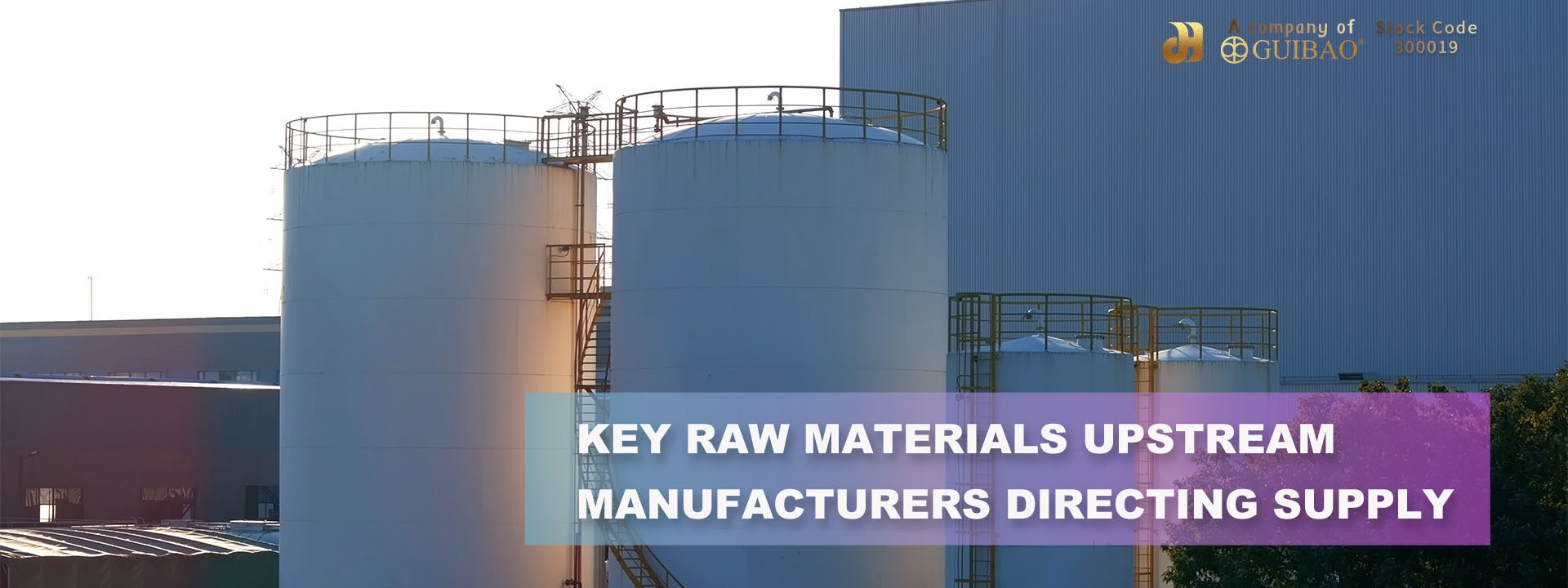
ที่แหล่ง: การจัดซื้อโดยตรงจาก CNPC
น้ํามันนาเฟนิกทั้งหมดของเราคือซื้อโดยตรงจากบริษัท ไชน่า เนชั่นแนล เปโตรเลียม คอร์ปอเรชั่น (CNPC), มีแบรนด์ชื่อว่า Kunlun (KN series) น้ํามันยาง naphthenic premium
นี่ไม่ใช่สัญลักษณ์การตลาด มันคือขากระบี่สามชั้น
แหล่งทรัพยากร: น้ํามันดิบ naphthenic ที่ถูกพัฒนาโดย CNPC ได้มุ่งเน้นอยู่ใน Karamay (Xinjiang), Huanxiling (Liaohe) และ Yangsanmu (Dagang) ฐานทรัพย์สินทั้งหมดของ CNPCน้ํามันยางคอนลูน คือ แพลตฟอร์มการใช้งานและบริการมืออาชีพที่ CNPC สร้างขึ้นสําหรับภาคน้ํามันยาง.
กระบวนการ: Karamay Petrochemical เป็นศูนย์แปรรูปน้ํามันดิบหนักของจีน และฐาน R&D น้ํามันพิเศษ ในปี 2019 มันสร้างฐานน้ํามันย่อยระดับสูง 1 ล้านตัน / ปี และฐานผลิตภัณฑ์นาฟเธนส์ชั้นโลกกลายเป็นผู้ผลิตน้ํามันย่อย Naphthenic เกรดสูงที่ใหญ่ที่สุดในโลกสร้างขึ้นจากน้ํามันพื้นฐานคารามาย นาฟเทนิก ด้วยกระบวนการที่ทันสมัย น้ํามันยางที่พัฒนาโดยอิสระของคุนลุน ได้ทําลายหลากหลายโครงการที่มีคุณภาพสูงถึงระดับระดับระดับนานาชาติ.
การใช้งาน: ซีรีย์ Kunlun KN ได้ถูกนําไปใช้ในยางยืด SBS, รองเท้า, และสับที่ละลายร้อนคุนลุน ลูบริกันท์ ได้รับรางวัลทั้ง "บริษัทยอดเยี่ยม 10 แห่ง" และ "ผู้จัดจําหน่ายยอดเยี่ยม" ในรางวัล TPE.
คลังสินค้าและโลจิสติกส์: ความจุ 2,500 ตัน
พลังงานเก็บของ 2,500 ตัน ระดับชั้นนําในอุตสาหกรรมในจีน
รูปที่ 3 ถังน้ํามันของ Jaour ในโรงงาน Taicang (โรงงานที่ 3)
มูลค่าของขนาดนี้มากกว่า "สินค้าจํานวนมาก"
ความสม่ําเสมอของชุด: การทําให้ถังเป็นแบบเดียวกันทําให้ความสับสนของชุดเดียวลดลง การล็อคค่า CN, ปริมาณสารหอม, จุดจุดไฟและตัวชี้วัดสําคัญอื่น ๆ ในระยะยาวและมันยากที่สุดที่จะรับประกัน
ความต่อเนื่องในการจัดส่ง: การจัดหาสินค้าโดยตรงและความจุสํารองที่ใหญ่ ทําให้ลูกค้าปลอดภัยจากการบํารุงรักษาโรงแปรรูปและความไม่มั่นคงของโลจิสติกส์
ความสอดคล้องใน: ทุกชุดถูกส่งพร้อมกับรายงานการทดสอบ SGS, RoHS, PAHs และ MSDS โดยปิดวงจรความเป็นมาในระยะการรับประทาน
V. การปิด
การแข่งขันในเครื่องยัดที่ละลายร้อนเกิดขึ้นบนพื้นผิวเช่นความแข็งแรงในการผูกพัน แต่ในความเป็นจริง มันถูกชนะหรือสูญเสียในวัสดุแพร่ติดในน้ํามันที่มั่นคงและคุณภาพกลายเป็นยั่งยืน.
ซื้อโดยตรงจาก CNPC Kunlun นาฟเทนิคยางน้ํามัน ปลอดภัยโดย 2,500 ตันของเก็บรักษา
ดูเพิ่มเติม
ยี่สิบปีแห่งจาวร์ ร่วมกันสู่อนาคต
2026-09-23
.gtr-container-xyz123 {
font-family: Verdana, Helvetica, "Times New Roman", Arial, sans-serif;
color: #333;
line-height: 1.6;
padding: 15px;
box-sizing: border-box;
}
.gtr-container-xyz123 p {
margin-bottom: 1em;
text-align: left;
font-size: 14px;
}
.gtr-container-xyz123 strong {
color: #FF7700;
}
.gtr-container-xyz123 .gtr-heading {
font-size: 18px;
font-weight: bold;
color: #FF7700;
margin-bottom: 1em;
text-align: left;
}
.gtr-container-xyz123 img {
max-width: 100%;
height: auto;
display: block;
margin: 1em auto;
}
.gtr-container-xyz123 .gtr-image-caption {
font-size: 12px;
color: #666;
text-align: center;
margin-top: -0.5em;
margin-bottom: 1.5em;
}
@media (min-width: 768px) {
.gtr-container-xyz123 {
padding: 25px;
}
.gtr-container-xyz123 .gtr-image-row {
display: flex;
justify-content: space-around;
gap: 20px;
margin-bottom: 1em;
}
.gtr-container-xyz123 .gtr-image-row img {
width: 48%;
margin: 0;
}
}
ถงลู่ ประเทศจีน — กันยายน 2569 — ในเดือนกันยายน 2569 Jaour Hot Melt Adhesive ฉลองครบรอบ 20 ปี ภายใต้ธีม “ยี่สิบปีของ Jaour ร่วมกันสู่อนาคต” บริษัทได้จัดงานเฉลิมฉลองที่ถงลู่ มณฑลเจ้อเจียง โดยรวบรวมพนักงานจากทั่วทั้งองค์กรเพื่อร่วมฉลองเหตุการณ์สำคัญนี้
การเฉลิมฉลองเริ่มต้นขึ้นในเย็นวันที่ 19 กันยายน ด้วยงานเลี้ยงฉลองครบรอบ ผู้ก่อตั้ง คุณซือ หยุนหนี ได้ขึ้นเวทีกล่าวสุนทรพจน์ครบรอบ โดยทบทวนเส้นทาง 20 ปีของ Jaour และแบ่งปันวิสัยทัศน์สำหรับอนาคต
รูปที่ 1. ผู้ก่อตั้ง คุณซือ ผู้จัดการร่วม คุณกู้ ผู้อำนวยการบริหาร คุณหวัง กล่าวสุนทรพจน์ในงานเลี้ยงฉลอง
คณะผู้บริหารร่วมกันตัดเค้กฉลองครบรอบและดื่มอวยพรให้กับการเติบโตและความร่วมมือตลอดสองทศวรรษ
รูปที่ 2. ผู้นำทั้งสามร่วมกันตัดเค้กฉลองครบรอบ 20 ปี และดื่มอวยพรแก่ผู้ชมทุกท่าน
ในงานเลี้ยงยังมีการมอบของที่ระลึกให้แก่พนักงานและการแสดงต่างๆ ที่เตรียมโดยแผนกต่างๆ ซึ่งสร้างบรรยากาศอบอุ่นและเสียงปรบมือดังกึกก้องไปทั่วสถานที่
กิจกรรมดำเนินต่อไปด้วยการสร้างทีมเป็นเวลาสองวันในเนินเขาและลำน้ำรอบๆ ถงลู่: การ ล่องแพอันน่าตื่นเต้นที่หุบเขาเสือคำราม (Huxiaoxia), การสำรวจหินงอกหินย้อยอันงดงามภายใน ถ้ำยาหลินวันเดอร์แลนด์, และการ เดินป่าอันสดชื่นผ่านหมู่บ้านหินโบราณชิเช่อ ตามเส้นทางมรดกมาหลิงซาน เพื่อนร่วมงานที่ปกติทำงานในห้องปฏิบัติการ สายการผลิต และไซต์งานลูกค้า ได้สลับชุดทำงานเป็นชุดเดินป่าและแบ่งปันการเปลี่ยนแปลงของจังหวะชีวิต เสริมสร้างความไว้วางใจและการทำงานเป็นทีมที่ยึดเหนี่ยว Jaour ไว้ด้วยกัน
รูปที่ 3. กิจกรรมทีม - เดินป่าและล่องแพ
ยี่สิบปีเป็นทั้งเหตุการณ์สำคัญและจุดเริ่มต้นใหม่ Jaour ขอขอบคุณพนักงานและพันธมิตรทุกคนที่มีส่วนร่วมในเส้นทางนี้ และหวังว่าจะได้เขียนบทต่อไปด้วยกัน
ดูเพิ่มเติม
กฎทองแห่งความเหนียว: ทำความเข้าใจเกณฑ์ Dahlquist ใน HMPSA
2026-08-27
.gtr-container-f7e9d2 {
font-family: Verdana, Helvetica, "Times New Roman", Arial, sans-serif;
color: #333;
line-height: 1.6;
padding: 15px;
box-sizing: border-box;
}
.gtr-container-f7e9d2 p {
margin-bottom: 1em;
text-align: left !important;
font-size: 14px;
}
.gtr-container-f7e9d2 strong {
color: #FF7700;
}
.gtr-container-f7e9d2 h2 {
font-size: 18px;
font-weight: bold;
color: #FF7700;
margin-top: 1.5em;
margin-bottom: 0.8em;
padding-bottom: 5px;
border-bottom: 1px solid #FF7700;
}
.gtr-container-f7e9d2 .section-title {
font-size: 18px;
font-weight: bold;
color: #FF7700;
margin-top: 1.5em;
margin-bottom: 0.8em;
padding-bottom: 5px;
border-bottom: 1px solid #FF7700;
}
.gtr-container-f7e9d2 img {
max-width: 100%;
height: auto;
display: block;
margin-left: auto;
margin-right: auto;
}
.gtr-container-f7e9d2 .image-caption {
font-size: 12px;
color: #666;
text-align: center;
margin-top: 5px;
margin-bottom: 1.5em;
}
.gtr-container-f7e9d2 .qa-section {
background-color: #fff8f2;
border-left: 4px solid #FF7700;
padding: 15px;
margin-top: 2em;
margin-bottom: 2em;
}
.gtr-container-f7e9d2 .qa-section .question {
font-weight: bold;
color: #333;
margin-bottom: 0.5em;
font-size: 14px;
}
.gtr-container-f7e9d2 .qa-section .answer {
margin-bottom: 1em;
font-size: 14px;
}
@media (min-width: 768px) {
.gtr-container-f7e9d2 {
padding: 25px 50px;
}
.gtr-container-f7e9d2 .qa-section {
padding: 20px 30px;
}
}
หากคุณเคยลอกกระดาษโน้ตออกจากโต๊ะหรือลอกฉลากออกจากขวด คุณจะได้เห็นความมหัศจรรย์ของกาวไวต่อแรงกด (PSA) แต่อะไรที่ทำให้วัสดุ "เหนียว" มากพอที่จะเกาะติดได้ทันทีโดยใช้แรงกดเพียงเล็กน้อย สำหรับนักเคมีและวิศวกรที่ทำงานกับกาวไวต่อแรงกดแบบร้อน (HMPSA) คำตอบอยู่ที่กฎง่ายๆ ที่รู้จักกันดีในชื่อเกณฑ์ของดาห์ลควิสต์.
เกณฑ์ Dahlquist คืออะไร?
เสนอโดย Dr. Carl A. Dahlquist ในทศวรรษ 1960 เกณฑ์นี้กำหนดคุณสมบัติเชิงกลพื้นฐานที่จำเป็นสำหรับวัสดุที่จะทำหน้าที่เป็นกาวที่ไวต่อแรงกดที่อุณหภูมิห้อง
กาวจะต้องมีโมดูลัสการสะสม (G') เป็นน้อยกว่า 3 × 10⁵ Pa (300,000 ปาสคาล หรือ 3 × 10⁶dyn/ซม2)ที่ความถี่ 1 เฮิร์ตซ์ นอกจากนี้ เป็นไปตามเกณฑ์ของ Dahlquist ได้ดีที่สุดโดยการใช้ตัวช่วยยึดเกาะกับกาวที่40 ถึง 70°C เหนือ Tg
รูปที่ 1 เกณฑ์ Dahlquist-PSA
เหตุใดสิ่งนี้จึงสำคัญสำหรับ HMPSA
กาวร้อนละลายเป็นเทอร์โมพลาสติกแข็ง 100% ใช้ร้อน เย็นลง และประสานกัน ในการที่จะหลอมละลายร้อนที่ไวต่อแรงดัน ฟิล์มเย็นสุดท้ายจะต้องคงความนุ่มและไหลได้เพียงพอที่จะ "เปียกออก" (ไหลลงสู่หุบเขาที่เล็กจนมองด้วยกล้องจุลทรรศน์ของพื้นผิว) ภายใต้แรงกดดันที่อ่อนโยน
หาก G' สูงเกินไป (> 3×10⁵ Pa): กาวแข็งเกินไป มันทำหน้าที่เหมือนแผ่นพลาสติกแข็ง เมื่อกดลงบนพื้นผิว มันจะสัมผัสเฉพาะยอดของพื้นผิว ส่งผลให้การสัมผัสไม่ดีและไม่มีแรงยึดเกาะ มันจะไม่ติด
หาก G' ต่ำเกินไป (< 3×10⁵ Pa): กาวจะนุ่มและไม่มีรสนิยมที่ดีมาก ไหลลงสู่พื้นผิวได้ง่าย สร้างพื้นที่สัมผัสขนาดใหญ่และการยึดเกาะเริ่มแรกที่แข็งแกร่ง (แท่งเร็ว)
ความสมดุลนี้มีความสำคัญอย่างยิ่งในสูตร HMPSA ด้วยการปรับอัตราส่วนของโพลีเมอร์พื้นฐาน (เช่น SIS, SBS, APAO) เรซินที่ยึดเกาะ น้ำมันแนฟทาลิก และแว็กซ์ นักกำหนดสูตรจึงปรับโมดูลัสให้ต่ำกว่าขีดจำกัด 300,000 Pa อันน่าอัศจรรย์
รูปที่ 2 ปรับสัดส่วนของส่วนผสมต่างๆ เพื่อให้เป็นไปตามเกณฑ์ของ Dahlquist
แอปพลิเคชันโลกแห่งความเป็นจริงใน HMPSA
ลองจินตนาการถึงการกำหนดสูตรกาวฉลาก หากคุณเติมแว็กซ์มากเกินไปเพื่อลดต้นทุน โมดูลัสจะสูงกว่าขีดจำกัดของ Dahlquist ฉลากจะรู้สึกแห้งและอาจไม่ติดกับกล่องกระดาษแข็ง ในทางกลับกัน หากคุณเติมน้ำมันเหลวมากเกินไป โมดูลัสจะลดลงต่ำเกินไป กาวจะนิ่มเกินไป อาจซึมออกมาจากขอบของฉลาก และอาจล้มเหลวได้เนื่องจากแรงเฉือน
เกณฑ์ของ Dahlquist ไม่ใช่กฎหมายที่สมบูรณ์แบบ แต่เป็นจุดตรวจสอบแรกที่นักพัฒนา HMPSA ทุกคนใช้เมื่อออกแบบผลิตภัณฑ์ใหม่
ช่วงถามตอบ: Dahlquist Criterion & HMPSA
คำถามที่ 1: เกณฑ์ของ Dahlquist เป็นกฎหมายสากลที่ตายตัวสำหรับกาวทุกชนิดหรือไม่
ตอบ: ไม่ มันเป็นการสังเกตเชิงประจักษ์โดยอิงจากการทดสอบอุณหภูมิห้อง ใช้งานได้ดีที่สุดกับ PSA ทั่วไปที่ทดสอบที่ 1 Hz กาวที่มีโครงสร้างขนาดเล็กสมัยใหม่บางชนิดสามารถแสดงการยึดติดได้แม้จะมีโมดูลัสที่สูงกว่า แต่สำหรับ HMPSA มาตรฐาน กาวยังคงเป็นมาตรฐานทองคำ
คำถามที่ 2: อุณหภูมิส่งผลต่อเกณฑ์ของ Dahlquist หรือไม่
ตอบ: แน่นอน. โมดูลัสของวัสดุยืดหยุ่นหนืดจะเปลี่ยนไปตามอุณหภูมิ HMPSA อาจเป็นไปตามเกณฑ์อย่างสมบูรณ์ที่อุณหภูมิ 23°C (อุณหภูมิห้อง) แต่จะเปราะและไม่ผ่านเกณฑ์ที่อุณหภูมิ 5°C (การใช้งานแบบเย็น) นี่คือเหตุผลว่าทำไมสูตร HMPSA ที่อุณหภูมิเย็นจึงใช้โพลีเมอร์และเรซินที่แตกต่างกันเพื่อรักษาโมดูลัสให้ต่ำแม้ในที่เย็น
คำถามที่ 3: เราจะวัด G' เพื่อตรวจสอบเกณฑ์ได้อย่างไร
ตอบ: การใช้เครื่องวิเคราะห์เชิงกลแบบไดนามิก (DMA) หรือรีโอมิเตอร์ คุณวางตัวอย่างเล็กๆ ของ HMPSA ที่ระบายความร้อนแล้วไว้ระหว่างแผ่นขนาน ใช้แรงสั่นเล็กน้อย (โดยทั่วไปที่ 1 Hz) และวัดความต้านทานของวัสดุต่อการเสียรูป (โมดูลัสกักเก็บ G') และความสามารถในการกระจายพลังงาน (โมดูลัสสูญเสีย G")
คำถามที่ 4: จะเกิดอะไรขึ้นหาก HMPSA ของฉันมี G' อยู่ที่ 300,000 Pa พอดี
ตอบ: น่าจะเป็นเส้นเขตแดน เกณฑ์ระบุว่าวัสดุจะต้องมีค่าต่ำกว่าค่านี้เพื่อการยึดเกาะในทันทีที่ดี ที่ 300,000 Pa พอดี คุณอาจได้รับการยึดเกาะที่ยอมรับได้บนพื้นผิวเรียบ (เช่น กระจก) แต่ประสิทธิภาพต่ำบนพื้นผิวขรุขระ (เช่น กระดาษแข็งรีไซเคิล) ผู้กำหนดสูตรมักจะมุ่งเป้าไปที่ส่วนต่างด้านความปลอดภัยที่ต่ำกว่าตัวเลขนี้
คำถามที่ 5: ฉันสามารถใช้เกณฑ์ Dahlquist กับกาวที่ไม่ใช่ HMPSA เช่น PSA ที่บ่มด้วยรังสียูวีหรือแบบน้ำได้หรือไม่
ตอบ: ใช่! แม้ว่าบทความนี้จะเน้นไปที่การหลอมร้อน เกณฑ์ของ Dahlquist ก็ใช้ได้กับกาวที่ไวต่อแรงกดทุกประเภท (แบบใช้ตัวทำละลาย แบบน้ำ หรือแบบบ่มด้วยรังสี) หลักการที่ต้องการโมดูลัสต่ำสำหรับเปียกออกนั้นเป็นสากลในเทคโนโลยี PSA ทั้งหมด
ดูเพิ่มเติม
เมื่อสับสนกับฟิสิกส์: วิธีที่เรอเมตรสร้างผลการทํางานของ PSA ที่ละลายร้อน
2026-08-21
/* Unique root container for style isolation */
.gtr-container-7f9k2p {
font-family: Verdana, Helvetica, "Times New Roman", Arial, sans-serif;
color: #333333;
line-height: 1.6;
padding: 20px;
max-width: 960px;
margin: 0 auto;
box-sizing: border-box;
}
/* General paragraph styling */
.gtr-container-7f9k2p p {
font-size: 14px;
margin-bottom: 1em;
text-align: left !important;
}
/* Headings */
.gtr-container-7f9k2p .gtr-heading-2 {
font-size: 18px;
font-weight: bold;
color: #FF7700;
margin-top: 2em;
margin-bottom: 1em;
line-height: 1.3;
}
.gtr-container-7f9k2p .gtr-heading-3 {
font-size: 16px;
font-weight: bold;
color: #333333;
margin-top: 1.8em;
margin-bottom: 0.8em;
line-height: 1.4;
}
/* Emphasis */
.gtr-container-7f9k2p em {
font-style: italic;
color: #555555;
}
.gtr-container-7f9k2p strong {
font-weight: bold;
color: #333333;
}
/* Tables */
.gtr-container-7f9k2p .gtr-table-wrapper {
width: 100%;
overflow-x: auto;
margin-bottom: 1.5em;
}
.gtr-container-7f9k2p table {
width: 100% !important;
border-collapse: collapse !important;
border-spacing: 0 !important;
margin-bottom: 0 !important;
min-width: 600px; /* Ensure horizontal scroll on small screens if content is wide */
}
.gtr-container-7f9k2p th,
.gtr-container-7f9k2p td {
padding: 12px 15px !important;
border: 1px solid #D1D9E0 !important;
text-align: left !important;
vertical-align: top !important;
font-size: 14px !important;
line-height: 1.5 !important;
word-break: normal !important; /* Prevent breaking words */
overflow-wrap: normal !important; /* Prevent breaking words */
}
.gtr-container-7f9k2p th {
background-color: #FFF3E6 !important;
font-weight: bold !important;
color: #FF7700 !important;
border-bottom: 2px solid #FF7700 !important; /* Stronger bottom border for header */
}
.gtr-container-7f9k2p tr:nth-child(even) td {
background-color: #F8F9FA !important;
}
/* Lists */
.gtr-container-7f9k2p ul {
list-style: none !important;
padding-left: 25px !important;
margin-bottom: 1em;
}
.gtr-container-7f9k2p ul li {
position: relative !important;
margin-bottom: 8px !important;
padding-left: 15px !important;
font-size: 14px;
text-align: left !important;
list-style: none !important;
}
.gtr-container-7f9k2p ul li::before {
content: "•" !important;
position: absolute !important;
left: 0 !important;
color: #FF7700 !important;
font-size: 1.2em !important;
line-height: 1 !important;
top: 0;
}
.gtr-container-7f9k2p ol {
list-style: none !important;
padding-left: 30px !important;
margin-bottom: 1em;
counter-reset: list-item; /* Initialize counter */
}
.gtr-container-7f9k2p ol li {
position: relative !important;
margin-bottom: 8px !important;
padding-left: 20px !important;
font-size: 14px;
text-align: left !important;
counter-increment: none; /* Increment counter for each list item */
list-style: none !important;
}
.gtr-container-7f9k2p ol li::before {
content: counter(list-item) "." !important;
position: absolute !important;
left: 0 !important;
color: #FF7700 !important;
font-weight: bold !important;
font-size: 1em !important;
line-height: 1 !important;
top: 0;
width: 20px; /* Adjust width for alignment */
text-align: right;
}
/* Special callout box for core message */
.gtr-container-7f9k2p .gtr-core-message {
background-color: #FFF3E6;
border-left: 4px solid #FF7700;
padding: 15px 20px;
margin: 2em 0;
border-radius: 4px;
font-style: italic;
color: #555555;
position: relative;
}
.gtr-container-7f9k2p .gtr-core-message::before {
content: "🎯";
position: absolute;
left: 10px;
top: 15px;
font-size: 1.2em;
line-height: 1;
}
.gtr-container-7f9k2p .gtr-core-message p {
margin: 0;
padding-left: 30px; /* Make space for the emoji */
font-size: 14px;
text-align: left !important;
}
/* Responsive adjustments for PC */
@media (min-width: 768px) {
.gtr-container-7f9k2p {
padding: 40px;
}
.gtr-container-7f9k2p .gtr-heading-2 {
font-size: 22px;
}
.gtr-container-7f9k2p .gtr-heading-3 {
font-size: 18px;
}
.gtr-container-7f9k2p p,
.gtr-container-7f9k2p ul li,
.gtr-container-7f9k2p ol li,
.gtr-container-7f9k2p th,
.gtr-container-7f9k2p td {
font-size: 14px;
}
.gtr-container-7f9k2p table {
min-width: auto; /* Allow tables to shrink on larger screens */
}
}
1เริ่มด้วยคําถาม
คุณเคยสงสัยไหมว่าทําไมผสมผสานที่มีความรู้สึกต่อแรงดันในการละลายร้อน (HMPSA)สามารถติดแน่นพอที่จะจับสติ๊กเกอร์หรือเส้นใยไม่เนื้อผ้าได้เพียงแตะ แต่แข็งแรงพอที่จะเก็บมันไว้เป็นเวลาหลายปี และยังสามารถไหลผ่านเครื่องเคลือบได้อย่างราบรื่นในอุณหภูมิ 160 °C
คําตอบมีแค่คําเดียวความยืดหยุ่นและเครื่องมือที่เปิดเผยมันคือเรโอเมตร.
รูปที่ 1. Jaour มีเครื่องวัดระดับ TA 3 เครื่อง และเครื่องวัดระดับ HAAKE 1 เครื่อง สําหรับการพัฒนาและออกแบบสูตรของสารเล็บ
พูดง่ายๆ HMPSA เป็นวัสดุที่ต้องทํางานเหมือนเนื้อแข็งเมื่อใช้งานและเหมือนน้ําการให้ทั้งสองพฤติกรรมถูกต้องในรูปแบบเดียวกันเป็นไปไม่ได้ โดยไม่ต้องวัดมัน และนั่นคือสิ่งที่เรโอโลยีทํา
2การเชื่อมโยง HMPSA ราหีเมตร
HMPSA เป็นส่วนผสมของพอลิเมอร์พื้นฐาน (โดยทั่วไป SIS / SBS / SEBS), ธ อร์ tackifier, น้ํามันพลาสติกเซอร์, และสารเสริม. ผลงานสุดท้ายของมันคือการดึงระหว่างสองพฤติกรรมตรงกันข้าม:
พฤติกรรม
จํานวน
การเปรียบเทียบ
ความหมายของมันสําหรับเครื่องผสม
ยืดหยุ่น (คล้าย solid)
โมดูลการเก็บG′
ยางยาง
ความสามัคคี resistance to shear, holding power ความอดทนต่อการตัด
สับ (คล้ายเหลว)
โมดูลูสการสูญเสียG ′′
ที่รัก
การไหลผ่าน
อัตราส่วนของสองtan δ = G′′/G′บอกคุณว่าฝั่งไหนชนะ ในอุณหภูมิ ความเร็ว หรือเวลาใดๆ
ข้อความหลัก: เครื่องวัดระยะยาวเป็น "เครื่องแปล" ที่แปลงสูตรโมเลกุลของ HMPSA เป็นผลงานวิศวกรรมที่วัดได้ ณ อุณหภูมิการประมวลผล, แรงเปลือก, กําลังการถือ, และการจับ
3. 4 การทดสอบหลักที่เชื่อมโยงเครื่องวัดเส้นเลือดขอดกับผลงานของ HMPSA
การทดสอบที่ 1: การ Sweep อุณหภูมิ
แผ่นผสมผสมสั่นสะเทือนด้วยความดันเล็ก ๆ ขณะที่อุณหภูมิเพิ่มขึ้น คุณจะได้เส้นโค้งของ G′, G′′, และ tan δ vs อุณหภูมิ
รูปที่ 2: การสกัดอุณหภูมิของ HMPSA G′, G′′ และ tan δ vs อุณหภูมิ
สิ่งที่จะอ่าน:
Tgด้านล่าง Tg ผสมติดเป็นกระจกและแตกง่าย;ต่ําสุดของหน้าต่างบริการ
โป่งยาง∆บริเวณเรียบ G′ ระหว่าง Tg และจุดการไหล นี่คือช่วงทํางานที่ผสมผสานมีสับสน แต่มีความแน่น
จุดตัด (G′ = G′′)- วัสดุเปลี่ยนจากแบบแข็งเป็นแบบเหลวมากกว่าอุณหภูมิการทํางานสูงสุด แต่ใต้อุณหภูมิการแปรรูป
ความแน่นที่อุณหภูมิการใช้งาน✓ บอกคุณว่าเส้นเคลือบสามารถรับมือมันได้หรือไม่
การตรวจวัดอุณหภูมิเพียงครั้งเดียว ก็ตอบคําถามได้แล้วว่า มันสามารถใช้ได้หรือไม่ มันร้อนแค่ไหน ก่อนที่จะอ่อนนุ่ม หรือเย็นแค่ไหน ก่อนที่จะเปราะบาง
การทดสอบที่ 2: การกวาดคลื่นความถี่
ความถี่เลียนแบบอัตราการปรับปรุงความสับสน ที่ผสมผสมประสบการณ์ในชีวิตจริง:
รูปที่ 3: การสกัดความถี่ที่อุณหภูมิการทํางาน G′, G′′ vs ความถี่
การกระทําในโลกจริง
อัตรา
ดูสิ
การสัมผัสเร็ว
ความถี่สูง
G ′′ ′′ ต้องการการไหลเพื่อชื้นพื้นผิว
เปลือกด้วยความเร็วปกติ
ความถี่กลาง
tan δ ∆ การสูญเสียพลังงานระหว่างการเปลือก
ความยึดถือ shear (ความยาว, ความช้า)
ความถี่ต่ํา
G′ must ต้องอยู่สูง (ยืดหยุ่น) เพื่อที่พันธะจะไม่คลานออกไป
HMPSA ที่ดีG′ > G′′ ตลอดช่วงความถี่ทั้งหมดณ อุณหภูมิการใช้งาน
การทดสอบที่ 3: ความแน่นกับอุณหภูมิ
ร้อนน้ําละลายและวัดวิธีการที่ viscosity ลดลงกับอุณหภูมิ (หรือวิธีการที่มันเปลี่ยนแปลงตามเวลาที่อุณหภูมิคง)
รูปที่ 4: กุ้งความแน่นกับอุณหภูมิในช่วงการแปรรูป
ความแน่นที่เหมาะสมที่อุณหภูมิการเคลือบ→ การใช้สล็อตดีหรือสเปรย์
ความแน่นอ่อนๆ ภาวะอากาศ→ โปรดอภัยหน้าต่างการประมวลผล
ความแน่นลอยขึ้นหรือลดลงตามเวลาณ อุณหภูมิกระบวนการ → การบดลงทางอุณหภูมิ (การเชื่อมต่อกันหรือการแยกโซ่) นี่คือสัญญาณเตือนก่อนสําหรับผลประกอบของสารปฏิชีดออกซิเดนต์
4จากเส้นโค้งไปยังผลิตภัณฑ์: ทางลัดของนักสรุป
โรคสะเก็ดเงินทําให้คุณคาดการณ์การทดสอบผลการทํางาน ก่อนที่คุณจะใช้มัน ช่วยประหยัดเวลาห้องทดลองหลายสัปดาห์
คุณต้องการ...
ดูตัวเลขรีโอโลจิกนี้สิ
ความแข็งแกร่งของเปลือกสูงขึ้น
G′ ปานกลางกับ tan δ ใกล้ 1 ในอัตราการเปลือก
ความยาวของการตัด
G′ ที่สูงกว่า ความจําเพาะที่ต่ํากว่า ในอุณหภูมิการใช้งาน
กลมเล็บที่ดีกว่า
ความถี่ที่เหมาะสม G′′ (การไหล)
ผลงานที่ดีขึ้นในอุณหภูมิต่ํา
Tg ต่ํากว่า
มันยังทํางานในทิศทางอื่น:tackifier ขึ้น → Tg และ G′ เพิ่มขึ้น; น้ํามันขึ้น → Tg และ G′ ลดลงการเคลื่อนไหวทุกรูปแบบ จะเห็นได้บนเครื่องวัดเลือดก่อน
5คําถามที่พบบ่อย
คําถามที่ 1: เรโม่เมตรกับวิสโคเมตร ครับ มีความแตกต่างอะไรครับ?
เครื่องวัด viscometer วัด viscosity จํานวนหนึ่งเท่านั้น เครื่องวัด rheometer วัด viscosityบวกความยืดหยุ่น (G′, G′′), การเคลื่อนไหว, การฟื้นฟู, และอื่นๆ
Q2: G′ และ G′′ หมายถึงอะไรในคําธรรมดา?
G′ เป็นส่วนของ "ยางยาง" ครับ G′′ เป็นส่วนของ "น้ําผึ้ง" ครับ ว่ามันไหลผ่านได้ดีขนาดไหนในการชื้นผิวส่วนใหญ่ของปัญหา HMPSA เป็นปัญหาความสมดุลระหว่างสองข้อนี้
Q3: ผมหา Tg จากข้อมูลทางโรคสะเก็ดเงินได้อย่างไร
ค้นหาจุดสูงสุดของเส้นโค้ง tan δ ในการสกัดอุณหภูมิ อุณหภูมิสูงสุดนั้นคือ Tg ที่ใช้กันทั่วไป
Q4: จุดตัด (G′ = G′′) คืออะไร?
อุณหภูมิที่ผสมจะหยุดประพฤติเป็นของแข็ง และเริ่มประพฤติเป็นของเหลว มันควรอยู่เหนืออุณหภูมิการใช้งานสูงสุด และต่ํากว่าอุณหภูมิการแปรรูป
Q5: รีโอโลยีสามารถแทนการทดสอบ peel/tack/shear ได้หรือไม่?
ไม่ครบถ้วน ธ อร์ ธ อร์ ธ อร์ ธ อร์ ธ อร์ ธ อร์ ธ อร์ ธ อร์ ธ อร์ ธ อร์ ธ อร์
Q6: ทําไมการเตรียมตัวอย่างของฉันจึงสําคัญมากสําหรับ HMPSA?
HMPSA มี "ความทรงจํา" ประวัติความร้อนของมันเปลี่ยนความละอองและรูปร่างและเสมอวัดภายในบริเวณ viscoelastic เส้นตรง (ทําความยืดหยุ่น sweep ก่อน).
คําถามที่ 7: การวางกันระหว่างอากาศและอุณหภูมิ (TTS) คืออะไร
A trick to measure at several temperatures and mathematically combine the data into one "master curve" covering a much wider range of speeds — useful for predicting years of shear-hold behavior from hours of lab data.
Q8: ผมตรวจสอบอย่างไรว่าชุดสองชุดจะสอดคล้องกันหรือไม่?
ทําการสกัดอุณหภูมิบนแต่ละชุดและทับเส้นโค้ง. การทับแบบที่ตรงกันดี (Tg, plateau modulus, crossover) คือการทับนิ้วมือที่มีคุณภาพที่เร็วที่สุดที่คุณสามารถได้รับ
6- เอาไป
สําหรับเครื่องปรับปรุง PSA ที่ละลายร้อน เครื่องวัดระยะเวลาไม่ใช่อุปกรณ์ที่เลือกใช้ แต่เป็นสะพานระหว่างสารเคมีและผลงานการสกัดคลื่นความถี่ครั้งหนึ่ง บอกคุณถึงความสมดุลของ stick และ hold; การทดสอบ creep หนึ่งคาดการณ์อายุการใช้งานภายใต้ภาระ การวัดครั้งแรก, สูตรที่สอง
Jaour เป็นผู้จําหน่ายสินค้าผสมผสมผสมผสมร้อนมืออาชีพ และได้มีส่วนร่วมอย่างลึกซึ้งในอุตสาหกรรมผสมผสมผสมผสมผสมผสมร้อนมาเป็นเวลา 20 ปีเรามีอุตสาหกรรมนําการวิจัยฮาร์ดแวร์และซอฟต์แวร์, โรงงานที่ทันสมัยที่มีอัตราการทํางานอัตโนมัติ 95%, สายพัสดุที่แข็งแกร่ง, และระบบการจัดการคุณภาพที่ครบถ้วน โปรดติดต่อเราถ้าคุณมีคําถามเกี่ยวกับการใช้หรือคุณมีความต้องการพิเศษ.การตอบสนองความต้องการของคุณ คือแรงผลักดันเบื้องหลัง ความมุ่งมั่นในการบริการของเรา
ดูเพิ่มเติม
Jaour ได้รับการรับรองโรงงานปล่อยคาร์บอนใกล้ศูนย์ - ก้าวสำคัญในการผลิตสีเขียว
2026-08-06
.gtr-container-f7h2k9 {
font-family: Verdana, Helvetica, "Times New Roman", Arial, sans-serif;
color: #333;
line-height: 1.6;
padding: 16px;
box-sizing: border-box;
font-size: 14px;
}
.gtr-container-f7h2k9 p {
margin-bottom: 1em;
text-align: left;
font-size: 14px;
}
.gtr-container-f7h2k9 p:last-child {
margin-bottom: 0;
}
.gtr-container-f7h2k9 .gtr-title {
font-size: 18px;
font-weight: bold;
color: #FF8500;
margin-top: 1.5em;
margin-bottom: 1em;
text-align: left;
}
.gtr-container-f7h2k9 .gtr-formula-block {
background-color: #FFF3E6;
border-left: 4px solid #FF8500;
padding: 12px 16px;
margin: 1.5em 0;
font-family: "Courier New", Courier, monospace;
font-size: 15px;
color: #555;
text-align: left;
overflow-x: auto;
white-space: nowrap;
}
.gtr-container-f7h2k9 .gtr-subscript {
vertical-align: sub;
font-size: smaller;
}
.gtr-container-f7h2k9 .gtr-highlight {
color: #FF8500;
font-weight: bold;
}
.gtr-container-f7h2k9 .gtr-spacer {
height: 1em;
margin: 0;
}
.gtr-container-f7h2k9 img {
max-width: 100%;
height: auto;
display: block;
margin-left: auto;
margin-right: auto;
}
@media (min-width: 768px) {
.gtr-container-f7h2k9 {
padding: 24px;
max-width: 960px;
margin: 0 auto;
}
.gtr-container-f7h2k9 .gtr-title {
font-size: 20px;
}
.gtr-container-f7h2k9 .gtr-formula-block {
font-size: 16px;
}
}
JAOUR มีเกียรติที่จะประกาศว่าสถานที่ผลิตของตน (3rdโรงงาน) ในเมือง Taicang ได้รับการรับรองอย่างเป็นทางการว่า โรงงานที่มีการปล่อยคาร์บอนเกือบศูนย์ โดยที่รัฐบาลท้องถิ่นในจังหวัด Jiangsu ประเทศจีนเผยแพร่เมื่อเร็วๆ นี้
รูปที่ 1 การเปิดเผยโรงงานปล่อยคาร์บอนเกือบศูนย์ของเมืองซูโจว จังหวัดจางซู ประเทศจีนในปี 2026
รูปที่ 2. ISO 14064-1, ISO 14068-1, ใบรับรองความเป็นกลางคาร์บอนของ Jaour
โรงงานปล่อยคาร์บอนเกือบศูนย์ หลักความเข้าใจ
โรงงานปล่อยคาร์บอนเกือบศูนย์ (近零碳排放工厂) หมายถึงสถานที่ผลิตที่ลดคาร์บอนไดออกไซด์ (CO)₂) และการปล่อยก๊าซเรือนกระจกอื่น ๆ ไปยังระดับที่ต่ํามาก ̇ ใกล้ศูนย์ แต่ไม่จําเป็นต้องเป็นศูนย์สมบูรณ์ ̇การใช้ไฟฟ้า, การจับคาร์บอน และการชําระคาร์บอนที่ตรวจสอบ
คํานิยามหลักของโรงงานเกือบศูนย์
โดยพื้นฐานแล้ว โรงงานที่มีคาร์บอนเกือบศูนย์ จะบรรลุภาวะที่
การออกอากาศโดยตรง + การออกอากาศโดยตรง − การลดผ่านการชดเชย
ภาพที่ 3 การนิยามโรงงานที่มีการปล่อยคาร์บอนเกือบศูนย์
การยอมรับอันมีชื่อเสียงนี้ย้ําความมุ่งมั่นอย่างไม่สับสนของเราต่อการพัฒนาที่ยั่งยืน การดูแลสิ่งแวดล้อม และการเปลี่ยนแปลงโลกไปสู่เศรษฐกิจที่มีคาร์บอนต่ํา
การเผยแพร่ของรัฐบาล ใบรับรองเพิ่มเติมการยืนยันแนวทางโปร่งใสของเราในการรายงานสิ่งแวดล้อมคาร์บอนเนอตรัลโดย 2060), โรงงานไทคางของเราเป็นตัวอย่างที่สามารถนํามาจําลองได้ เพื่อปฏิบัติตามแผนการเฉลี่ยคาร์บอนของจีนอย่างใกล้ชิด
มองไปข้างหน้า JAOUR จะยังคงลงทุนในทางแก้ไขการลดคาร์บอนแบบนวัตกรรม ร่วมมือกับพันธมิตรโซ่จําหน่าย และแบ่งปันแนวทางที่ดีที่สุดกับอุตสาหกรรมที่กว้างกว่าผู้ลงทุนและผู้เกี่ยวข้องร่วมกับเรา ในการเดินทางไปสู่อนาคตที่สะอาดและเขียวใส
ความผูกพันที่ดีกว่า ชีวิตที่ดีกว่า
จาอูร์ ผู้จัดจําหน่ายสารสับสนที่ละลายร้อน
ดูเพิ่มเติม